
|
||||||||
| Welcome to the Big Bug Hunt 2017 international research project newsletter! | ||||||||
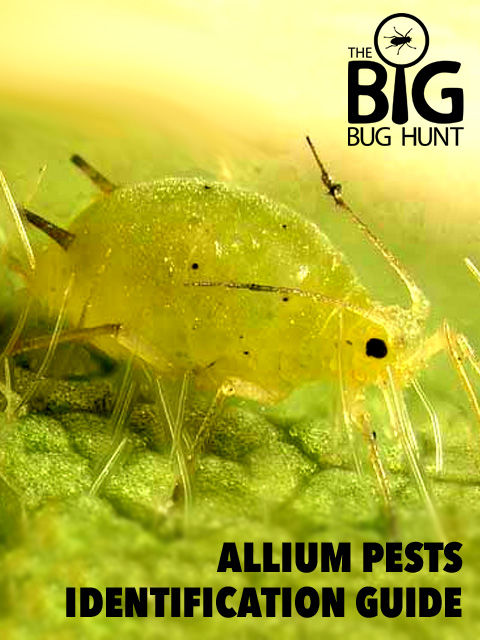
| When you’re on the hunt for bugs, the damage caused by pests is often
more obvious than the culprits themselves! Some bugs are expert at
playing hide and seek, whether it’s eggs hidden on the undersides of
leaves or slugs tucked out of reach in the bushes. Your job as a
keen-eyed gardener is to look for signs they are present.
Damage to plants takes many forms. Slugs chew distinctive gouges into foliage. Carrot rust flies create tunnels filled with rusty-brown castings. And leaf miners leave telltale meandering trails where they have been feeding. So play detective and let us know if you find any type of bug, or evidence of it, in your garden. Thank you for continuing to send us your reports. Each report takes us another step closer to a pest early warning system, so keep them coming. |
||||||||

 |
||||||||
|
||||||||

30 Seconds with Ann Marie Hendry
Which bugs are you especially keen to receive reports of?
We want to hear about every bug, both pests and beneficial insects.
All reports are important and will be analyzed by the research team.
|
||||||||
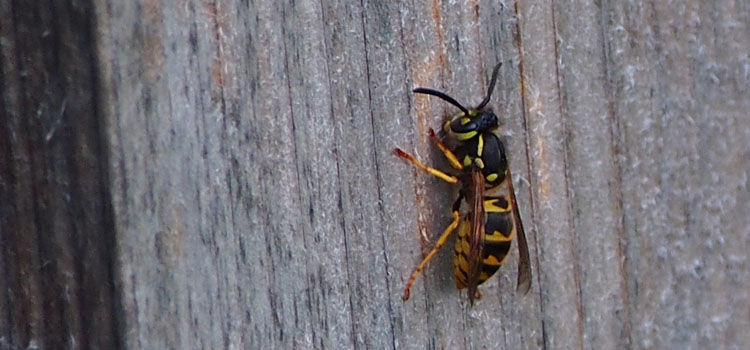
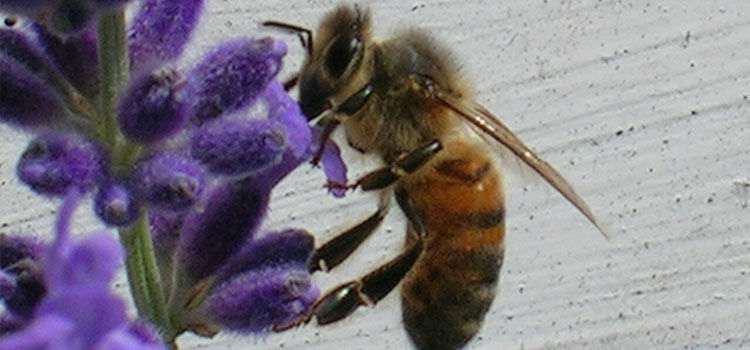
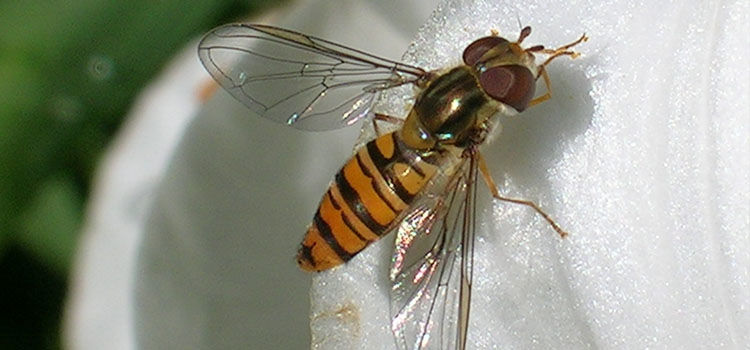
 Ones to WatchFour stripy bugs that help to make your garden happy and healthy. |
||||||||
|
||||||||
| Learn more about these and other pests, plus beneficial bugs here. | ||||||||
| |
||||||||
| Thanks for connecting with us. If you have any further questions or suggestions, please don't hesitate to get in touch via our contact form. | ||||||||
|

Thursday, June 29, 2017
The Old Farmer's Almanac - The Big Bug Hunt 2017: Hide and Seek



Subscribe to:
Post Comments (Atom)
Popular Posts
-
This post first appeared on January 3. On January 24, it was reverted to a draft and rescheduled to post at 9:30 on the morning of the...
-
 I have requested that you remove the post, Through the Looking Glass an Alternative View of Wednesday's P/Z Meeting , as it contain...
 -
 “And Justice For All” is a newsletter involving my opinions, views, and commentary as a life long Middletownresident. In my capacity as ...
 -
 Who are the opponents? Liberal hypocrisy at it's finest. 170 College St. Introduction: As most of you know, a boat load of peo...
 -
 Something about Councilwoman Mary Bartolotta (D) is that she doesn't understand a conflict of interest when a potential one is starin...

No comments:
Post a Comment
Authors of comments and posts are solely responsible for their statements. Please email MiddletownInsider@gmail.com for questions or concerns. This blog, (and any site using the blogger platform), does not and cannot track the source of comments. While opinions and criticism are fine, they are subject to moderator discretion; slander and vile attacks of individuals will not to be tolerated. Middletown Insider retains the right to deny any post or comment without explanation.